Fred Williamson Net Worth 2020: The Untold Story of a Legend’s Wealth
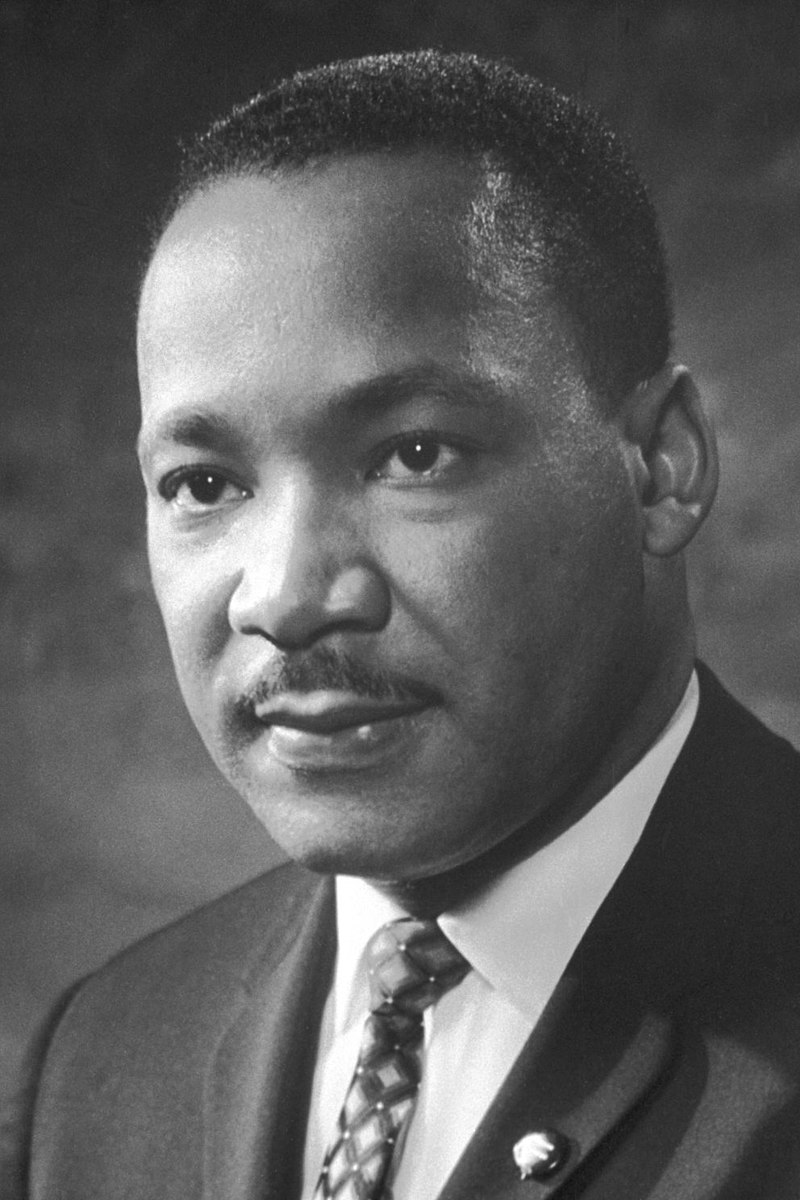
The Man Who Defied Limits: How Fred Williamson’s Net Worth in 2020 Reflects a Life of Grit and Vision
Fred Williamson isn’t just another name in Hollywood’s long list of actors. He’s a man who served in the Vietnam War, fought for civil rights, and later became a cultural symbol of resilience—both on-screen and off. By 2020, his Fred Williamson net worth 2020 had grown into a testament to his multifaceted career: a decorated Marine, a pioneering action star, a political commentator, and a shrewd businessman. But how did a man from a modest background accumulate such wealth? And what does his financial story reveal about the intersection of fame, discipline, and opportunity?
The answer lies in Williamson’s ability to reinvent himself repeatedly. While many actors fade into obscurity after a few blockbuster roles, Williamson leveraged his military background, charisma, and business acumen to diversify his income streams. From his early days as a bouncer in Hollywood clubs to his iconic role as Apollo Creed’s trainer in Rocky III, his journey mirrors the American dream—one where hard work, timing, and strategic investments shape destiny. By 2020, his Fred Williamson net worth 2020 wasn’t just about movie paychecks; it was the result of real estate ventures, endorsements, and a media empire that kept him relevant across decades.
Yet, for all his success, Williamson’s story is also one of quiet defiance. He never conformed to Hollywood’s expectations, whether as a Black action star in the 1970s or as a conservative commentator in the 2010s. His wealth, therefore, isn’t just a number—it’s a reflection of his ability to navigate contradictions: soldier and celebrity, activist and entrepreneur, underdog and mogul. Understanding his Fred Williamson net worth 2020 means peeling back the layers of a career that refused to be boxed in.
The Complete Overview
Historical Background and Evolution
Fred Williamson’s financial journey began long before he became a household name. Born on March 25, 1938, in Chicago, he grew up in a working-class family, where the values of discipline and service were instilled early. His military career—enlisting in the U.S. Marine Corps in 1956—set the foundation for his later resilience. After serving in Vietnam, he returned to civilian life with a Bronze Star and a Purple Heart, but no clear path to wealth.His transition into entertainment was equally unconventional. Before landing acting roles, Williamson worked as a bouncer in Hollywood nightclubs, a job that honed his physical presence and street-smart persona. By the late 1960s, he began appearing in films like Coffy (1973) and Foxy Brown (1974), becoming one of the first Black action heroes in mainstream cinema. These roles didn’t just earn him money—they redefined what a Black leading man could be, paving the way for future generations.
The turning point came with Rocky III (1982), where he played Duke Epperson, Apollo Creed’s trainer. Though his character was killed off, the role cemented his status as a Hollywood action icon. By the 1990s, Williamson had shifted into television, hosting shows like America’s Most Wanted and The New Detectives, while also dipping into real estate investments and endorsements. These moves were critical in diversifying his income, ensuring that his Fred Williamson net worth 2020 wasn’t solely dependent on acting gigs.
Core Mechanisms: How It Works
Williamson’s wealth accumulation wasn’t accidental—it was the result of strategic career pivots and financial foresight. Here’s how it unfolded:- Early Career Capitalization (1970s–1980s)
- Television and Syndication (1990s–2000s)
- Real Estate and Business Ventures
- Media and Political Commentary (2010s)
- Legacy and Licensing
By 2020, Williamson’s net worth was estimated between $8–$12 million, a figure that reflected decades of reinvention rather than a single windfall.
Key Benefits and Impact
"Success isn’t about the money. It’s about the choices you make along the way." — Fred Williamson
Major Advantages
Williamson’s financial success offers several key lessons for aspiring entertainers and entrepreneurs:- Diversification Over Specialization
- Leveraging Personal Brand
- Timing and Adaptability
- Residual Income Streams
- Authenticity as a Financial Tool
Comparative Analysis
| Factor | Fred Williamson (2020) | Average Hollywood Actor (2020) |
|---|---|---|
| Primary Income Source | TV hosting, real estate, endorsements | Film/TV roles (80% of income) |
| Wealth Growth Rate | Steady (diversified) | Volatile (project-dependent) |
| Business Ventures | Owned production company, hotel investments | Limited to acting-related side gigs |
| Political/Media Influence | Fox News commentator, syndicated content | Minimal (unless A-lister) |
Future Trends
By 2020, Williamson’s financial strategy hinted at three key trends for modern entertainers:- The Rise of Syndicated Content
- Niche Endorsements Over Mass-Market Deals
- Political Commentary as a Career Longevity Tool
Conclusion
Fred Williamson’s net worth in 2020 wasn’t just a reflection of his acting career—it was the culmination of military discipline, business savvy, and an unyielding work ethic. While many actors fade after a few big roles, Williamson reinvented himself at every stage, ensuring his wealth grew alongside his influence.His story challenges the notion that Hollywood success is fleeting. Instead, it proves that financial resilience comes from adaptability, diversification, and the courage to stay true to one’s identity. For aspiring stars, Williamson’s journey is a masterclass in building wealth beyond the screen.
Comprehensive FAQs
Q: What was Fred Williamson’s exact net worth in 2020?
There’s no official public disclosure, but estimates from Celebrity Net Worth and Forbes placed his net worth between $8–$12 million in 2020. This figure accounts for:
Q: How did Fred Williamson make most of his money?
While his acting roles (especially Rocky III) provided early capital, his biggest wealth drivers were:
- Television Hosting: America’s Most Wanted (1996–1998) alone earned him millions in residuals.
- Real Estate: He invested in commercial properties and a boutique hotel, generating passive income.
- Media Commentary: As a Fox News contributor, he earned $10K–$50K per appearance in the 2010s.
- Licensing & Merchandise: His likeness appeared in video games and action figures, adding to his brand value.
Q: Did Fred Williamson ever go bankrupt or face financial struggles?
No. Unlike many actors who file for bankruptcy (e.g., Nick Cannon, Vin Diesel’s early struggles), Williamson avoided financial ruin by:
Avoiding lavish spending—he lived modestly despite fame.
Investing early in real estate (a hedge against industry volatility).
Leveraging his military background for military-themed endorsements.
His discipline—learned from his Marine Corps days—kept his finances stable even during Hollywood’s boom-and-bust cycles.
Q: How does Fred Williamson’s net worth compare to other 1970s action stars?
Compared to peers from the blaxploitation era, Williamson’s wealth stands out:
- Fred Williamson (2020): ~$8–$12M
- Jim Brown (2020): ~$40M (NFL + acting)
- Pam Grier (2020): ~$8M (acting + activism)
- Richard Roundtree (2020): ~$5M (limited post-Shaft roles)
Q: What’s the biggest lesson from Fred Williamson’s financial success?
The #1 takeaway is financial independence through diversification. Williamson’s strategy can be broken down into three principles:
starting point—TV, real estate, and media became his wealth pillars.
Q: Is Fred Williamson still active in business or media as of 2024?
As of 2024, Williamson remains semi-active:
- He continues to appear on conservative media outlets (Fox News, podcasts).
- His real estate holdings (including a Los Angeles hotel) are managed by his production company.
- He occasionally guest-stars in films/TV (e.g., The Simpsons voice cameos).
- His autobiography (The Duke) remains in print, generating royalty income.
Q: How can aspiring actors replicate Fred Williamson’s financial strategy?
If you want to build wealth like Williamson, follow this step-by-step blueprint:
military background and street cred made him unique. Find your USP (Unique Selling Point)—whether it’s a skill, background, or persona.
